Mercado
Santa Ana vs. Escazú vs. Heredia: Where Should Expats Rent in Costa Rica?
Escazú is the established expat hub, Santa Ana is the modern corporate corridor, and Heredia is the cooler-climate value play. We compare 2026 rents, commutes, international schools and safety — zone by zone — so you can pick the right base in the Central Valley.
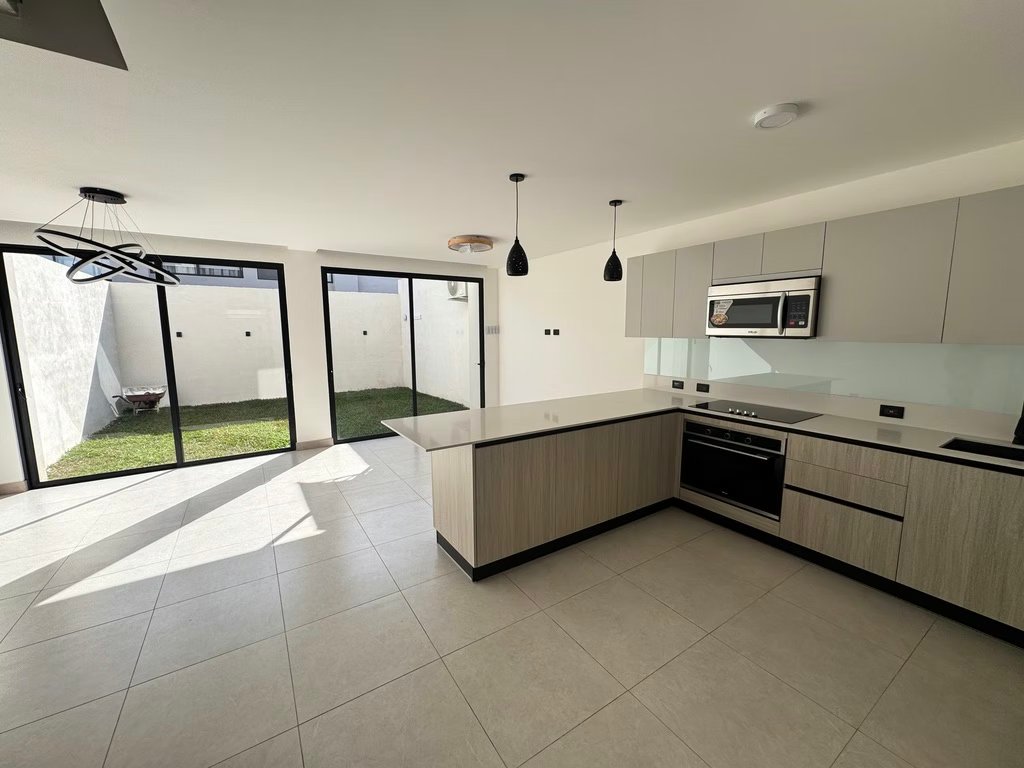
If you are choosing between the three classic expat zones of Costa Rica's Central Valley, here is the short version. Escazú is the established expat hub — Hospital CIMA, Multiplaza, the deepest English-speaking infrastructure — with two-bedroom rentals typically at $1,400–$2,200 per month. Santa Ana is the modern west-side alternative built around Lindora's corporate parks and gated communities, ideal for remote workers and young families, with two-bedrooms at $1,300–$2,000 and newer construction for the money. Heredia is the cooler, greener, more local value play — universities, tech free zones, and two-bedrooms at $800–$1,500. If you want urban, walkable living on a budget, the east side's Curridabat and San Pedro deliver at $900–$1,500. Here is how to choose, based on what we see on the ground every week at EasyRent.
Santa Ana: modern, corporate, and built for how expats live now
Twenty years ago Santa Ana was coffee farms and a quiet town square. Today it is the most modern corner of the Central Valley. The Lindora corridor is lined with corporate campuses and business parks, the City Place and Momentum malls, specialty coffee, gyms, and more sushi than seems strictly necessary. This is where new construction happens: condo towers and gated communities with pools, coworking lounges and playgrounds, most of it less than fifteen years old.
Two practical advantages stand out. First, the microclimate: Santa Ana sits lower and drier than the rest of the valley, so it is noticeably sunnier and warmer — 25–28°C most afternoons. People either love it or miss the mountain cool. Second, infrastructure: fiber internet is standard in newer buildings, and the Clínica Bíblica campus in Santa Ana added serious private healthcare to this side of the valley, so Escazú no longer has a monopoly on hospitals.
Expect $900–$1,400 for a modern one-bedroom condo, $1,300–$2,000 for a two-bedroom, and $2,000–$3,500 for a three-bedroom house in a gated community. Santa Ana centro and Piedades run cheaper; Lindora and Pozos are the premium pockets. You can browse current rentals in Santa Ana on EasyRent. Best for: remote workers, corporate relocations, and young families who want new construction and do not mind driving everywhere.
Escazú: the established expat hub with everything ten minutes away
Escazú has been the default landing zone for foreigners for decades, and the infrastructure shows it. In San Rafael and Guachipelín you have Avenida Escazú's restaurants and offices, Multiplaza — the country's flagship mall — and Hospital CIMA, the private hospital most international insurers and expats know best. English-speaking doctors, dentists, lawyers, vets and property managers are all within a ten-minute radius. If you want to be functional from day one without a word of Spanish, this is where it is easiest.
Head up the mountain and the canton changes character: Escazú centro and San Antonio keep a much more Costa Rican feel, with the colonial church, cooler air and some of the best valley views in the metro area. The housing stock is the most varied of the three zones — luxury towers next to 1990s condos next to standalone houses with gardens.
Prices reflect the status: $800–$1,400 for a one-bedroom, $1,400–$2,200 for a two-bedroom (more in the newer towers around Avenida Escazú), and $1,800–$3,500 for a three-bedroom in a gated community. The trade-offs are real: you pay a premium for the name, and traffic on the canton's narrow internal roads can be slow at school-run hours. See what is available in Escazú right now. Best for: retirees who want CIMA five minutes away, first-time expats who want a soft landing, and anyone who values restaurants and services over square meters.
Heredia: cooler climate, university energy, and the valley's best value
Heredia — the City of Flowers — sits higher than the west side, and you feel it: 18–24°C days, crisp nights, greener hills, and the occasional afternoon mist rolling off Barva volcano. If Santa Ana's heat is not your thing, this is your climate.
Two engines drive the local economy. The Universidad Nacional (UNA) gives central Heredia a young, walkable, student feel. And the America Free Zone plus the surrounding tech parks employ thousands of Costa Rican professionals at companies like Amazon and IBM — which means a deep, honest rental market that is not priced for foreigners. Daily life is more local here: Spanish takes you further, you eat at sodas, you shop the Saturday feria, and most listings are quoted in colones.
Where to look: San Joaquín de Flores and Santo Domingo for colonial-town charm, San Pablo for quiet residential streets, and Cariari for golf-course gated luxury fifteen minutes from the airport. Rents run $550–$800 for a studio, $800–$1,500 for a two-bedroom, and $1,000–$1,800 for a full house with a yard — the same money buys roughly a third more space than in Escazú. Bonus: Heredia is the closest of the three zones to Juan Santamaría airport. Check Heredia listings on EasyRent. Best for: value hunters, families near Lincoln or AIS, academics, and anyone who came to Costa Rica to actually live in Costa Rica.
The east-side wildcard: Curridabat and San Pedro
Not part of the classic triangle, but if your life points east — or your budget does — take a serious look. Curridabat (Freses, Granadilla, Pinares) offers mid-rise condos on leafy streets, the Momentum Pinares corridor, and quick access to good private clinics. San Pedro is University of Costa Rica territory: the best cheap eats in the metro area, real nightlife, and the most genuinely walkable streets in the valley. A two-bedroom runs $900–$1,500, a one-bedroom $600–$1,000. The trade-off is distance from Ruta 27 and the beaches, and crossing the city at rush hour is tedious. Best for: young professionals, graduate students, and urbanites who would rather walk to dinner than drive to a mall.
Which area is best for families?
Schools decide this one, because in the Central Valley you either live near your school or spend your life in the car. The international schools cluster on two sides of the valley:
- West side: Country Day School (Escazú), Blue Valley School (Guachipelín de Escazú), and UWC Costa Rica (Santa Ana) — all within reach of both Escazú and Santa Ana.
- Heredia side: Lincoln School (Santo Domingo), American International School (Cariari), and the European School (San Pablo), which offers the full IB.
Our rule of thumb after years of placing families: pick the school first, then rent within twenty minutes of it at 7 a.m. — not twenty minutes on a Sunday. Santa Ana wins for amenity-rich gated communities where kids bike inside the gates; Escazú wins for established neighborhoods and after-school activities; Heredia wins for actual yards at a humane price.
What is the commute actually like?
The west side lives on Ruta 27, the Próspero Fernández toll highway. Off-peak, Santa Ana to La Sabana takes 15–20 minutes and Escazú barely 10. At peak — eastbound roughly 6:30 to 8:30 a.m., westbound 4:30 to 7:00 p.m. — the same trip can hit 45–60 minutes, and a single accident near the Escazú toll plaza backs up the whole corridor. Tolls are small change, and the Santa Ana–Escazú hop between exits takes 10–15 minutes almost any time of day. One local quirk: on Friday afternoons the westbound 27 fills with beach traffic, so plan around it.
Heredia's pain point is the General Cañas (Ruta 1) into San José, which grinds at rush hour. The saving graces: a commuter train runs from Heredia into central San José, and if your job is in the America Free Zone or near the airport you never touch the bottleneck at all. Remote workers can ignore most of this section — which is exactly why so many of them pick whichever zone they like best and never look back.
How much rent should you budget in 2026?
- Escazú: one-bedroom $800–$1,400 · two-bedroom $1,400–$2,200 · gated three-bedroom $1,800–$3,500
- Santa Ana / Lindora: one-bedroom $900–$1,400 · two-bedroom $1,300–$2,000 · gated three-bedroom $2,000–$3,500
- Heredia: studio $550–$800 · two-bedroom $800–$1,500 · house $1,000–$1,800
- Curridabat / San Pedro: one-bedroom $600–$1,000 · two-bedroom $900–$1,500
Three notes from the trenches. Furnished units carry a 15–25% premium. Leases in colones are adjusted by a government formula — and the official cap for 2026 came out negative, meaning colones rents legally cannot rise this year — while dollar leases follow different rules, so ask which currency you are signing in. And the slow months of September to November are the best time to negotiate.
Which area feels safest?
All four zones rank among the safer parts of the metro area, and the realistic risk everywhere is opportunistic theft, not violence: do not leave anything visible in a parked car, anywhere. Escazú and Santa Ana lean heavily on gated communities and private security, which is a big part of what you are paying for. In Heredia, San Pablo, Santo Domingo and San Joaquín are calm residential districts, while central Heredia is normal-city busy — stay aware around the market and bus areas. Curridabat's residential pockets are quiet; San Pedro is lively with students late into the night. Our standing advice: visit the exact block at 9 p.m. before you sign anything.
So where should you rent?
Pick Escazú if you want the softest landing and the best hospitals at your doorstep. Pick Santa Ana if you work remotely or were relocated to Lindora and want new construction, sunshine and family-friendly gated living. Pick Heredia if you want cooler air, more space for your money, and a life that happens in Spanish. Pick Curridabat or San Pedro if you want the city itself, on a budget. Whichever profile sounds like you, our bilingual team tours these neighborhoods every week — browse verified long-term rentals on EasyRent and message us on WhatsApp when something catches your eye.