Mercado
Cost of Living in Santa Ana & Escazú, Costa Rica (2026 Rental Budget Guide)
Real 2026 numbers for renting in Santa Ana and Escazú: $2,800–$4,200/month for a couple, $5,500–$8,500 for a family. Rent, utilities, groceries, schools, healthcare and transport — broken down by a local agency.
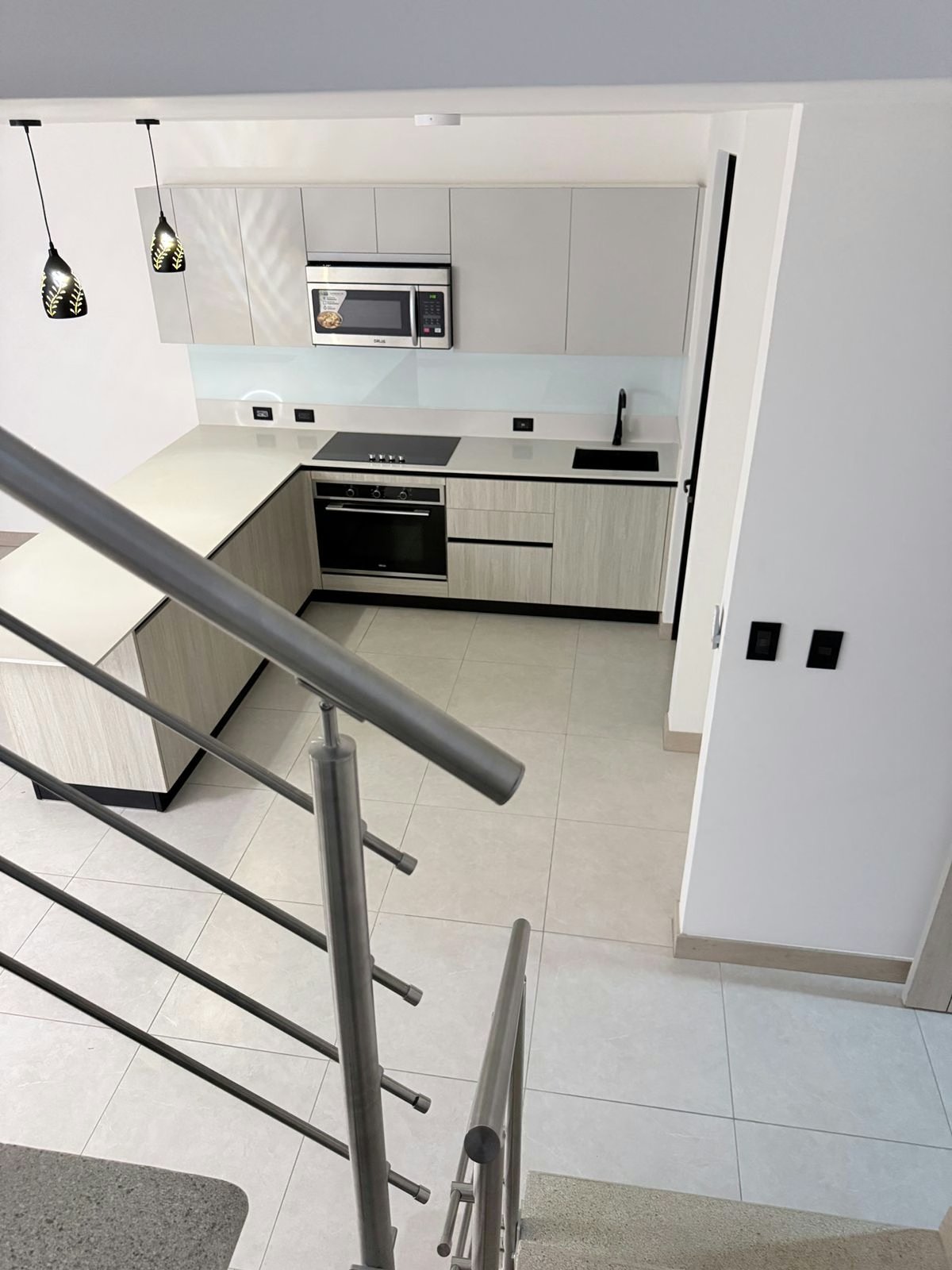
Short answer: in 2026, a couple renting a two-bedroom apartment in Santa Ana or Escazú should budget roughly $2,800–$4,200 per month all-in (rent, utilities, groceries, health insurance, transport, and eating out). A family of four adding a three-bedroom house and one child in an international school lands closer to $5,500–$8,500 per month. You can live on less — plenty of people do — and you can certainly spend more in Lindora or Valle del Sol. These are the real numbers we see every week helping expats sign leases in the western Central Valley, and they are 2026 estimates that vary with your lifestyle, exchange rate, and how “imported” your grocery cart looks.
How much is rent in Santa Ana and Escazú in 2026?
Rent is the single biggest line item, and it is where the two districts differ most from the rest of Costa Rica. Santa Ana and Escazú are the country’s premium corridor: international schools, hospitals, corporate offices, and most of the furnished, expat-ready inventory. Current asking ranges we see on the ground:
- $800–$1,400/month — one-bedroom apartments. The low end is older, unfurnished units away from the main strips; $1,100–$1,400 gets you a modern furnished unit near Avenida Escazú or Lindora.
- $1,200–$2,000/month — two-bedroom condos, the sweet spot for couples. Newer towers with pool, gym, and 24/7 security in San Rafael de Escazú or Pozos de Santa Ana typically ask $1,400–$1,800.
- $1,500–$2,500+/month — three-bedroom houses and larger condos. Gated communities in Valle del Sol, Bello Horizonte, or Guachipelín start around $1,800–$2,000, and standalone homes with a yard and mountain view can run well past $3,000.
Three practical notes. First, most quality listings are priced in US dollars, so you are not exposed to colón swings on rent. Second, condo buildings usually bundle the HOA fee into the asking rent, but always confirm — a separate $150–$400/month maintenance fee on top of rent is common in houses inside gated communities. Third, furnished units command a 10–20% premium, which usually still beats furnishing a place for a one-year stay. Rents in the corridor rose a modest 2–5% year-over-year into 2026, so budget with the top of the range if you are planning ahead. You can compare live asking prices by browsing verified rentals in Santa Ana and Escazú on EasyRent — every listing is checked by a real person, which matters in a market where scam reposts are common.
What do utilities cost in Escazú and Santa Ana?
The Central Valley’s year-round spring climate is a quiet budget saver: most homes here need neither heating nor daily air conditioning. Typical monthly bills for a two-bedroom:
- $60–$120 — electricity for a couple without AC; add $50–$100 more if you run air conditioning regularly or have a large house with electric water heating.
- $15–$35 — water (AyA), often included in condo fees.
- $35–$60 — fiber internet. Providers like Liberty, Tigo, and Metrocom deliver 200–500 Mbps fiber across both districts; this is genuinely good infrastructure, and remote workers rarely complain.
- $25–$50 — mobile plans for two people (Kölbi, Liberty, Claro).
Call it $150–$250/month total for a couple in an apartment, more for a big house with a pool pump and AC. Electricity is billed on a progressive tariff, so heavy consumption gets expensive fast — worth asking the landlord for recent bills before signing.
How much are groceries: AutoMercado vs the feria?
Groceries are where identical families end up with wildly different budgets. The rule of thumb: local products are cheap, imported products are not.
- $100–$160/month — fruit and vegetables for a couple from the weekly feria (farmers’ market). Santa Ana’s Sunday feria and Escazú’s Saturday feria are excellent; $40–$50 fills two big bags.
- $400–$600/month — a couple shopping mostly at mid-range supermarkets (Mas x Menos, Walmart, Palí) with feria produce.
- $700–$1,000/month — a couple shopping primarily at AutoMercado, the premium chain expats love for its imported brands. Expect US-plus prices on anything imported: cheese, wine, cereal, and specialty items often cost 30–50% more than in the States.
A family of four cooking at home realistically spends $800–$1,200/month with a mixed strategy. If your cart is full of local rice, beans, chicken, eggs, and feria produce, Costa Rica is cheaper than the US; if it is full of Whole Foods substitutes, it is more expensive.
What do private and international schools cost?
Schools are the reason many families choose this corridor in the first place, and the reason family budgets jump. 2026 ranges for the well-known options in and around Escazú and Santa Ana:
- $4,000–$8,000/year — solid bilingual private schools (many Costa Rican professional families use these).
- $10,000–$14,000/year — mid-tier international schools such as Lincoln School’s lower grades or Blue Valley’s early years.
- $15,000–$20,000+/year — top-tier US-accredited programs like Country Day School (Escazú) and Blue Valley’s upper grades.
Budget an additional one-time enrollment fee (often $1,000–$5,000), plus uniforms, bus service, and technology fees. Spread over twelve months, one child at an international school adds roughly $900–$1,700/month to the family budget — still typically half of what comparable private schooling costs in a major US metro.
Do you need a car, or can you rely on Uber?
In Santa Ana and Escazú specifically, you can genuinely live without a car — something that is not true in most of Costa Rica. Uber and DiDi are abundant, and short hops around the district run $3–$7, with a ride to the airport around $15–$25. A couple using rideshare daily might spend $200–$350/month, which compares favorably with car ownership:
- Gasoline: roughly $5.50–$6.20/gallon equivalent — fuel is government-priced and notably more expensive than in the US.
- Marchamo (annual circulation tax/insurance): $200–$400+/year for typical vehicles, plus the yearly Dekra inspection.
- Used cars cost 30–60% more than the same model in the US due to import duties — the biggest sticker shock for new arrivals.
Our honest advice: arrive without a car, use Uber for three months, and only buy if your routine truly demands it. Families with school runs usually end up with one car; couples often never buy one.
How much is health insurance in Costa Rica?
Legal residents must enroll in the public system, the CCSS or “Caja,” which charges an income-based contribution — typically 7–11% of declared income, working out to roughly $50–$200/month per household for many retirees and remote workers. The Caja covers everything with no exclusions, but wait times for non-urgent care can be long. That is why most expats here layer on private coverage:
- $60–$250/month — local private plans through INS and other insurers, depending on age and coverage.
- $115–$475/month — international health plans, the usual choice for those wanting coverage beyond Costa Rica.
- Pay out of pocket — a private specialist visit at CIMA (Escazú) or Hospital Metropolitano runs $80–$150, which is why some healthy expats self-insure for routine care.
Having CIMA Hospital ten minutes away is a real, underrated part of why this corridor commands premium rents.
What does eating out cost in 2026?
Both extremes coexist within a five-minute drive. A casado (typical plate) at a local soda costs $6–$9; lunch at a mid-range restaurant in Avenida Escazú or City Place runs $12–$20 per person; and a three-course dinner for two with wine at the corridor’s upscale spots lands at $60–$100+. Note the 13% sales tax and 10% service charge are added to restaurant bills. A couple eating out two or three times a week should budget $300–$600/month.
How does it compare with US costs?
Compared with a mid-size US metro, expect rent to be 40–60% lower for comparable quality, healthcare 50–70% lower, and domestic help dramatically cheaper (a weekly cleaner runs $25–$40 per visit). Cars, gasoline, electronics, and imported groceries are the reverse — usually 20–50% more expensive than in the US. Utilities and restaurants land roughly at parity. Net result: most couples we work with spend 30–45% less than they did in the US for a similar lifestyle, while families offset some of that saving with school tuition.
What does a realistic monthly budget look like?
Couple, 2BR condo, no car:
- Rent: $1,400–$1,800
- Utilities + internet + mobile: $180–$260
- Groceries: $500–$800
- Health (Caja + private): $200–$400
- Transport (Uber/DiDi): $200–$350
- Restaurants + leisure: $350–$600
- Total: roughly $2,800–$4,200
Family of four, 3BR house, one car, one child in international school:
- Rent + HOA: $1,900–$2,800
- Utilities + internet + mobile: $250–$400
- Groceries: $800–$1,200
- School (annualized, one child): $900–$1,700
- Health insurance: $300–$600
- Car (fuel, marchamo, maintenance): $350–$550
- Restaurants + leisure: $400–$700
- Total: roughly $5,500–$8,500
These are 2026 planning figures, not promises — a second child in school, a bigger house, or a taste for imported wine moves the needle quickly, while a local-first lifestyle brings both budgets down meaningfully.
Where should you start your rental search?
The corridor moves fast: well-priced two-bedrooms in Escazú and Santa Ana often sign within days, and the best inventory rarely makes it to Facebook groups before it is gone. Start by checking current verified rental listings on EasyRent to calibrate your budget against real asking prices, then shortlist neighborhoods by commute and school run before you land. If you want a local read on a specific building or gated community — which ones have water-pressure issues, which HOAs are well run — that is exactly the on-the-ground detail our team deals with daily, and it is the difference between a good year in Costa Rica and a frustrating one.