Guías
Long-Term Rentals in Costa Rica: Furnished vs. Unfurnished, Lease Terms & What to Expect
Furnished rentals in Costa Rica cost 15–30% more, “unfurnished” can mean no fridge, and every lease legally runs three years in your favor. Here is what línea blanca means, what deposits and HOA fees to expect, and how to rent long-term like a local.
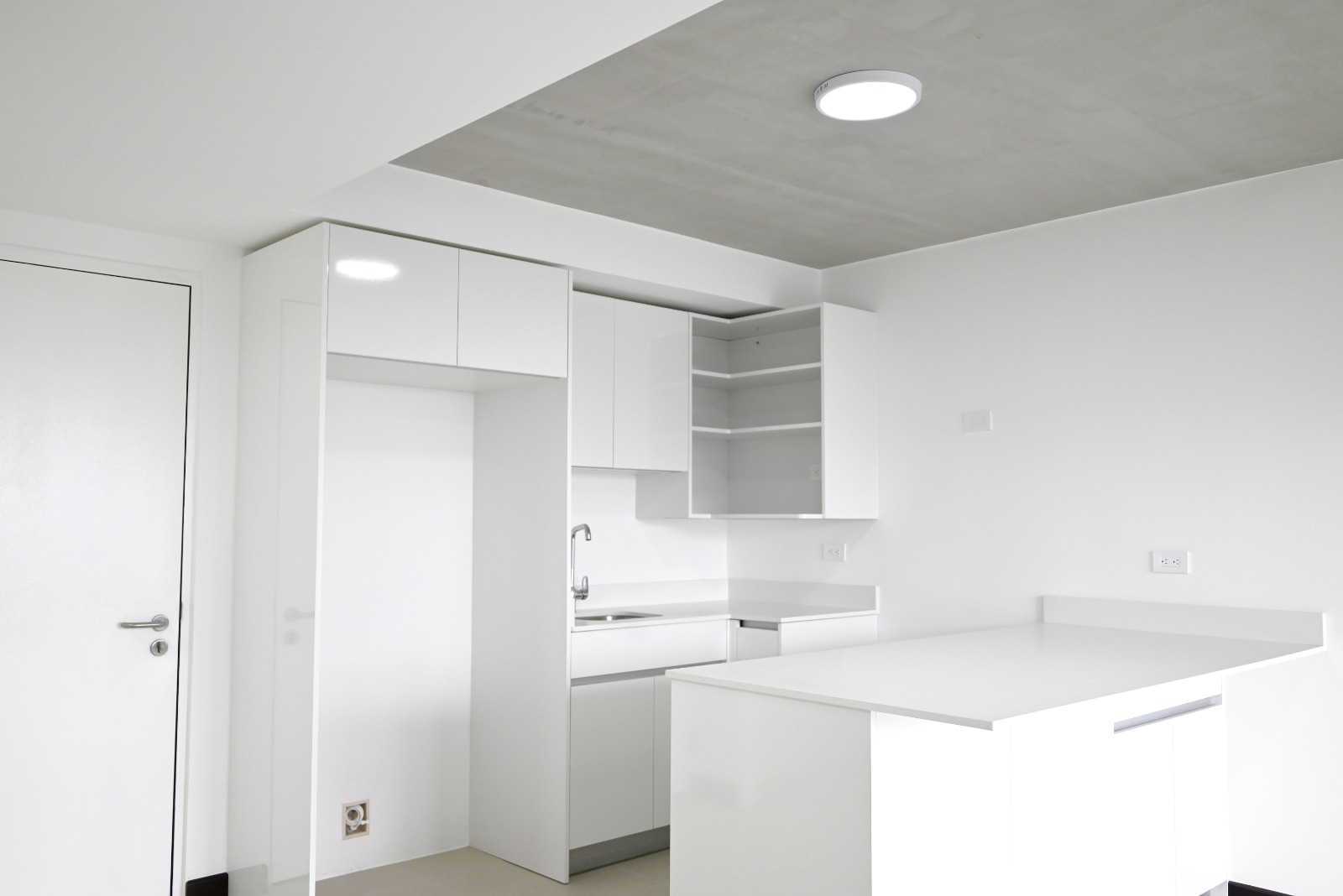
Renting long-term in Costa Rica differs from the US, Canada, or Europe in three ways that matter immediately. First, a furnished rental typically costs 15–30% more than the same unit unfurnished — and "unfurnished" here often means genuinely empty, without a fridge or stove. Second, the standard deposit is one month's rent (two for high-end furnished units), with no government deposit-protection scheme. Third, and most surprising to newcomers: under Costa Rica's rental law (Ley 7527), every residential lease runs for a minimum of three years in the tenant's favor, even if the contract you sign says one year. Below we break down what each of these means in practice, plus the local vocabulary — especially línea blanca — you will see in every listing.
What does "furnished" actually mean in Costa Rica?
Costa Rican listings use three levels of equipment, and mixing them up is the fastest way to budget wrong:
- Sin amueblar (unfurnished): truly bare. In much of the Central Valley an unfurnished house or apartment comes with no refrigerator, no stove, no oven, no washer — sometimes not even light fixtures or curtain rods. If you are used to North American "unfurnished" (appliances included), recalibrate.
- Con línea blanca (with white goods): the crucial middle category. Línea blanca literally means "white line" and refers to the major appliances — refrigerator, stove/oven, and usually a washing machine, sometimes a dryer and microwave. No beds, no sofa, no dining table. This is the closest equivalent to a standard US unfurnished apartment, and it is a specific search term Ticos and agents use daily.
- Amueblado (furnished): everything — appliances, beds, sofas, tables, usually kitchenware, sometimes linens, TVs, and internet already contracted. Quality varies enormously, so always verify with a photo-by-photo inventory before signing.
When you browse listings, read past the headline. A unit advertised as "semi-amueblado" might be línea blanca plus a few closets, or a fully furnished place minus one bedroom set. Ask for the inventario (written inventory) — a serious landlord will attach one to the lease, and it protects your deposit when you move out.
How much more does a furnished rental cost?
Across the Greater Metropolitan Area (GAM) and the beach towns, furnished units rent for roughly 15–30% above comparable unfurnished ones. A two-bedroom in Escazú or Santa Ana that goes for $1,300 unfurnished with línea blanca will typically list at $1,600–$1,700 furnished. In tourist-driven coastal markets like Tamarindo or Jacó, the premium leans toward the top of that range because furnished units compete with vacation-rental income.
Whether the premium is worth it depends on your timeline:
- Staying 6–18 months: furnished almost always wins. Outfitting an empty Costa Rican home from scratch — appliances, beds, furniture — easily runs $5,000–$10,000, and imported goods carry heavy taxes, so local retail prices are higher than you expect.
- Staying 2+ years: unfurnished or línea blanca usually pays off. The 15–30% monthly premium compounds fast, and you can buy quality used furniture cheaply from departing expats (a constant, liquid market in Escazú, Santa Ana, and Grecia Facebook groups).
You can compare both categories side by side on the EasyRent long-term rental marketplace, where listings state clearly whether a unit is furnished, línea blanca, or bare.
What lease terms does Costa Rican law give you?
Residential leases are governed by the Ley General de Arrendamientos Urbanos y Suburbanos (Ley 7527), and its single most important rule is this: the minimum term of a housing lease is three years, in favor of the tenant. This is public-policy law — it applies even if your contract says twelve months. In practice:
- You, the tenant, can hold the landlord to three years at the agreed rent conditions. The landlord cannot simply decline to renew after year one because the paper said so.
- If the landlord does not notify you at least three months before the three-year term ends that they will not renew, the lease automatically extends for another three years.
- The protection runs one way: you are not chained for three years. A tenant can leave any time after giving three months' written notice (check your contract — some leases negotiate this differently for the first year, and leaving very early can cost you the deposit).
- If the property is sold, the new owner inherits the lease. A sale does not evict you.
How do rent increases work?
The currency of your lease decides everything:
- Rent in colones: the landlord may raise it once a year, capped at the prior 12 months' inflation (when inflation exceeds 10%, the housing ministry sets the ceiling).
- Rent in US dollars: no increases allowed during the contract term. Because so many expat-oriented leases are in dollars, many foreign tenants effectively enjoy a frozen rent for three years — one reason landlords price dollar leases slightly higher up front.
Does the three-year rule apply to every rental?
No. It covers housing leased as a primary residence. Tourist and vacation occupancy is exempt — a nightly or weekly Airbnb stay does not create tenant rights. This is exactly why some owners insist on short "vacation" agreements: they want to stay outside Ley 7527. If you are living in the property as your home month after month, the law looks at the reality, not the label, but you avoid gray zones entirely by signing a proper residential lease.
What deposit and upfront costs should you expect?
- Security deposit: one month's rent is standard; two months is common for fully furnished or luxury units. It is refundable at move-out minus damage and unpaid utilities.
- No deposit-protection scheme: unlike the UK or parts of the US, Costa Rica has no escrow authority holding your deposit. Your protection is the signed inventory, dated photos on move-in day, and a lease that states the refund timeline.
- First month in advance: universal. Application fees and broker fees charged to tenants are rare in the long-term market.
- Guarantor or proof of income: landlords may ask for income evidence or a fiador (guarantor). Expats without local credit history usually substitute bank statements, a work contract, or an extra deposit month.
What counts as long-term versus Airbnb or seasonal?
Three distinct markets coexist, with very different pricing:
- Vacation/nightly (Airbnb): highest per-night cost, fully furnished, utilities included, zero tenant rights. Fine for your first two to four weeks of scouting.
- Seasonal/monthly: 1–6 month furnished stays, common in beach towns during high season (December–April), priced between vacation and long-term rates. Usually structured to stay outside Ley 7527.
- Long-term residential: a lease under Ley 7527, typically unfurnished or línea blanca in the Central Valley, at the lowest monthly rate. This is where the real savings live — long-term rents often run 40–60% below what the same unit would gross on the monthly vacation market.
The standard expat playbook: book a short-term place for the first month, then hunt for a long-term lease on the ground. Landlords here strongly prefer meeting tenants in person, and many of the best-priced units never make it to English-language portals.
Where is the furnished inventory actually located?
Inventory reality check for the GAM (San José, Escazú, Santa Ana, Heredia, Curridabat, Tres Ríos): the majority of long-term listings are unfurnished or línea blanca, because the domestic market — Tico families — owns furniture. Furnished units concentrate in specific niches:
- Condo towers and gated communities in Escazú, Santa Ana, Sabana, and Rohrmoser, where investor-owners furnish specifically for the expat and corporate market.
- Beach towns (Tamarindo, Nosara, Jacó, Uvita), where nearly everything is furnished because it doubles as vacation stock.
- Apart-hotels and serviced buildings near business districts, at a further premium.
If you need furnished housing in a traditional Tico neighborhood (Grecia, Atenas, San Ramón, most of Heredia), expect thin supply and be ready to move quickly when something appears. Filtering by furnished status on a structured marketplace like EasyRent's rental listings saves days of scrolling through Facebook groups with no filters at all.
Who pays utilities and the cuota de mantenimiento?
- Utilities (electricity, water, internet): almost never included in long-term rent. Budget $80–$200/month for a couple depending on air-conditioning use — A/C at the beach can double an electric bill. Utility accounts often stay in the landlord's name; you simply pay the bill, so get receipts.
- Cuota de mantenimiento (HOA fee): in condos, the monthly maintenance fee runs from roughly $100 in simple buildings to $400–$600+ in full-amenity towers and beach communities. Custom in Costa Rica is that the owner pays it, and it is baked into your rent — but confirm this in writing. Some landlords, especially at the coast, try to pass it to the tenant as a separate line.
- Gardener/pool for standalone houses: frequently included for furnished houses, rarely for unfurnished. Ask.
What about pets?
There is no national rule — it is landlord by landlord and, in condos, bylaw by bylaw. Standalone houses with yards are generally pet-friendly. Condo towers often cap pets by weight or number, and a few prohibit them outright regardless of what the individual owner says, so ask for the condo reglamento. A common compromise is an extra half or full month of deposit for pet owners. Never rely on a verbal "the dog is fine" — get it into the lease, because a bylaw violation can force you out of the building even mid-lease.
The bottom line
Learn three terms — amueblado, línea blanca, sin amueblar — and three numbers: a 15–30% furnished premium, a one-month deposit, and a three-year legal lease term that protects you no matter what the contract says. Match furnished vs. unfurnished to your realistic timeline, insist on a written inventory and clarity on who pays the cuota de mantenimiento, and sign a proper residential lease rather than a disguised vacation agreement. When you are ready to compare real long-term options across the Central Valley and the coasts, browse the current rental listings on EasyRent — every listing states furnishing level, so you can filter before you ever get in the car.